











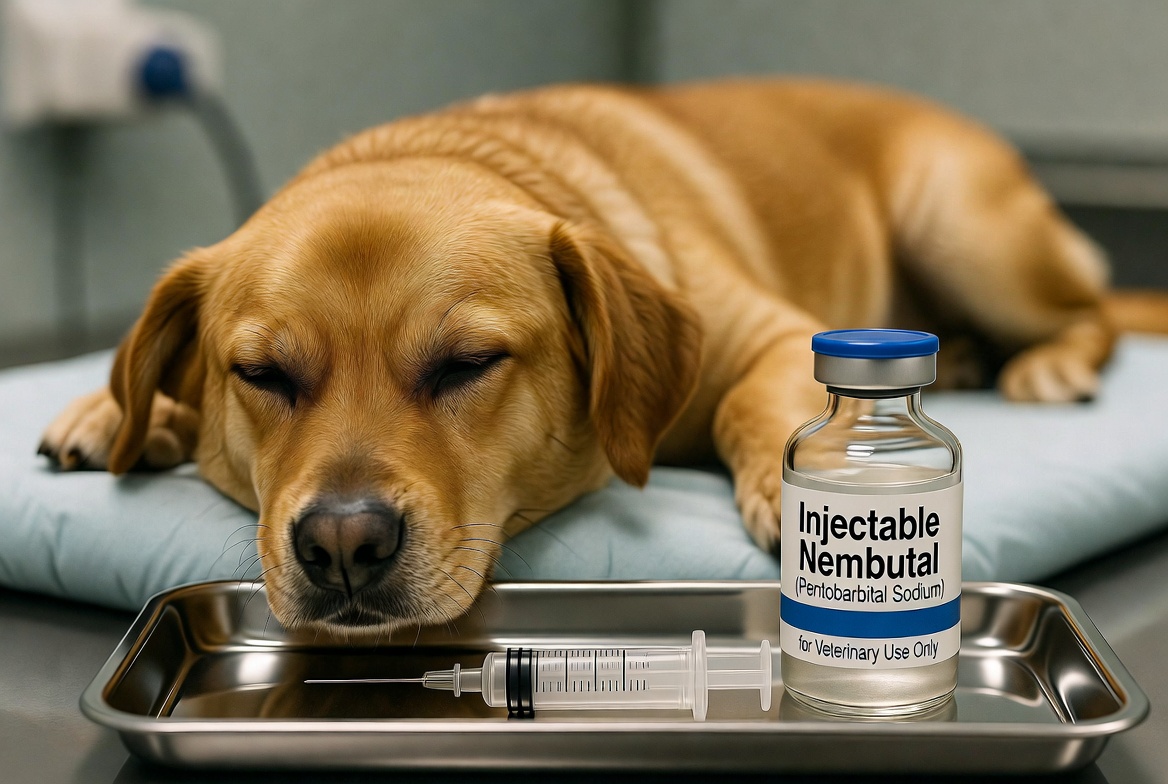
Making decisions about the end of a beloved animal’s life is one of the hardest experiences a pet owner can face. Animal euthanasia is a veterinary procedure designed to end an animal’s life as peacefully and painlessly as possible when suffering cannot be relieved. This guide explains what it is, when it is typically considered, how it is carried out by professionals, and how owners can prepare emotionally and practically.
What Is Animal Euthanasia?
Animal euthanasia is the intentional, humane ending of an animal’s life by a licensed veterinarian (or under veterinary supervision in certain settings). The goal is to relieve intractable pain, suffering, or distress when treatment options have been exhausted or are no longer in the animal’s best interest.
It is distinct from natural death or passive dying. Modern veterinary euthanasia prioritizes rapid loss of consciousness followed by cardiac and respiratory arrest, minimizing any awareness of pain or distress.
When Is Euthanasia Considered?
Veterinarians and owners typically discuss euthanasia when an animal experiences:
- Severe, untreatable pain that cannot be controlled with medication or other interventions
- Terminal illness (advanced cancer, organ failure, progressive neurological disease)
- Severe trauma with a poor prognosis
- Extreme quality-of-life decline (inability to eat, walk, breathe comfortably, or interact without constant distress)
- Situations where continued treatment would only prolong suffering
Quality-of-life assessments often include mobility, appetite, breathing, hydration, and the animal’s ability to experience positive moments. Many veterinarians use structured scoring tools to help owners make more objective decisions.
How Veterinarians Perform Humane Euthanasia
In clinical practice, the most common method involves an injectable overdose of a barbiturate, most frequently pentobarbital (sometimes referred to by the brand name Nembutal in older literature or veterinary formulations).
The process generally follows these professional steps:
- The veterinarian confirms the decision with the owner and obtains informed consent.
- A sedative may be given first to calm the animal and reduce anxiety.
- A concentrated barbiturate solution is injected, usually intravenously. This rapidly produces unconsciousness, then stops breathing and heart function.
- The veterinarian confirms death by checking for absence of heartbeat and other vital signs.
Alternative methods exist in specific contexts (e.g., some wildlife or large-animal situations), but injectable barbiturate euthanasia remains the standard for companion animals because of its reliability and speed when performed correctly.
Emotional and Practical Considerations for Owners
Many owners experience anticipatory grief, guilt, or second-guessing. These feelings are normal. Helpful approaches include:
- Asking the veterinarian clear questions about expected timeline, comfort measures, and the procedure itself
- Deciding whether you wish to be present
- Arranging aftercare in advance (cremation, burial, or other options)
- Seeking support from friends, family, or pet-loss counseling resources
Some clinics offer “home euthanasia” services so the animal can remain in a familiar environment. Discuss this option with your veterinarian if it feels important.
After Euthanasia
Once the procedure is complete, the body is typically prepared according to the owner’s wishes. Many people find comfort in creating a memorial (paw prints, photos, or a small ceremony). Grief counseling services and pet-loss support groups are widely available.
Final Thoughts
Understanding animal euthanasia helps owners approach a difficult decision with clearer information and less fear of the unknown. When performed by a skilled veterinarian, it is a final act of kindness that ends suffering. Open communication with your veterinary team, honest quality-of-life evaluation, and self-compassion are essential parts of the process.
If you are currently facing this decision, speak with your veterinarian. They can provide guidance tailored to your animal’s specific condition and help you navigate both the medical and emotional aspects.
Disclaimer: This article is for educational purposes only and does not replace professional veterinary advice. Laws and accepted practices can vary by location. Always consult a licensed veterinarian for decisions regarding your animal’s care.


